You Probably Eat Too Much
Yes, you heard me correctly. You probably eat too much and you aren’t even aware of it. This is due to a gradual increase in what is considered a standard serving size. Let me introduce you to portion distortion.
Historical Changes in Portion Sizes
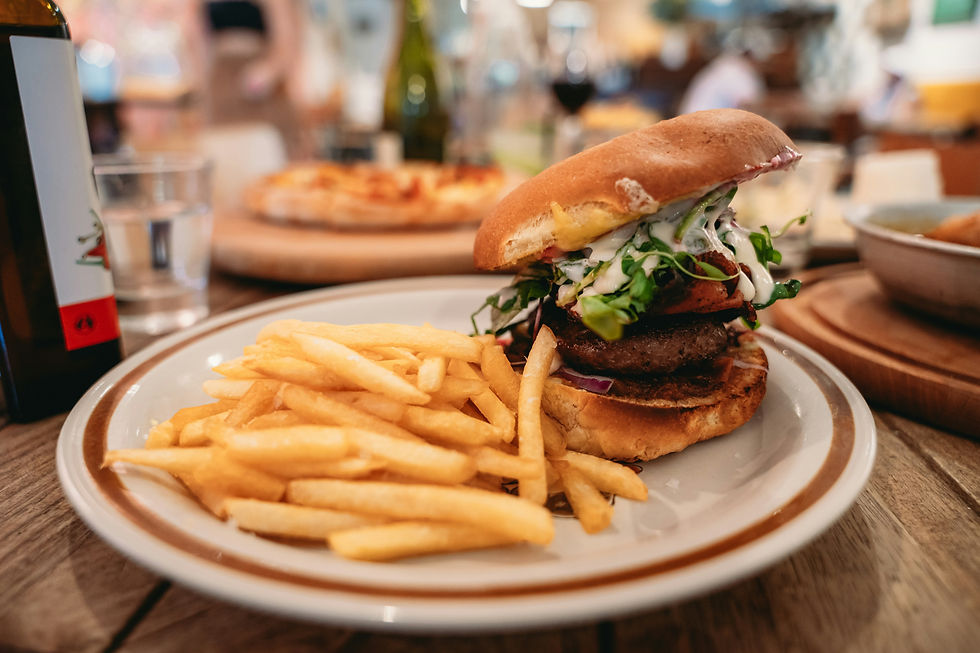
Over the years, the definition of a standard portion has shifted significantly, reflecting broader changes in food culture and industry practices. A meal that might have seemed indulgent in the past is now commonly viewed as average. Take, for example, fast-food meals—what was once considered a large order decades ago is now often marketed as medium. Packaged snacks, beverages, and even frozen meals have all experienced size inflation, making it harder to gauge what constitutes a reasonable serving.
This growth in portions hasn't occurred in isolation. Advances in food production and processing have made it more affordable to produce larger quantities, and this has been passed along to consumers. At the same time, advertising campaigns have often celebrated bigger portions as a sign of value, reinforcing the idea that more food equals a better deal. These cultural messages, combined with the actual size increases, have subtly changed our perception of how much food is appropriate to consume at one time.
Restaurant portions, in particular, have seen dramatic changes. Plates piled high with food are frequently seen as a marker of hospitality and generosity, which can make smaller portions feel insufficient or less appealing. This trend has made dining out a major contributor to overeating. The normalization of oversized meals, both at home and outside, has further blurred the lines between appropriate portion sizes and excess. Each of these changes plays a part in shaping eating behaviors, often in ways we fail to notice.

Factors Driving Bigger Portions
The rise of larger portions is closely tied to shifts in consumer expectations and industry practices. Over time, marketing strategies have emphasized the appeal of getting more for less, positioning larger servings as a better value. This approach not only attracts customers but also encourages them to normalize eating more than necessary. Food establishments, in their effort to compete and satisfy customer demands, often serve meals that exceed reasonable serving sizes. These practices have established a pattern where oversized portions are both expected and accepted.
Packaging also plays a role in this trend. Many packaged foods have increased in size over the years, making it difficult to determine what an appropriate serving should look like. Snack foods, for instance, are frequently sold in bags or containers that encourage eating multiple servings in one sitting. This shift has created a perception that eating these larger quantities is typical, further distorting portion awareness.
The design of food environments also contributes to the problem. Restaurants often plate meals to appear abundant, with the visual appeal of larger portions making them seem more enticing. Buffets and all-you-can-eat promotions push this idea even further, inviting people to consume more than they would under normal circumstances. These environmental cues subtly shape eating habits, reinforcing the idea that more food equates to greater satisfaction. Combined, these factors have made it increasingly challenging for individuals to recognize and maintain healthy portion sizes.
Psychological Aspects of Portion Control
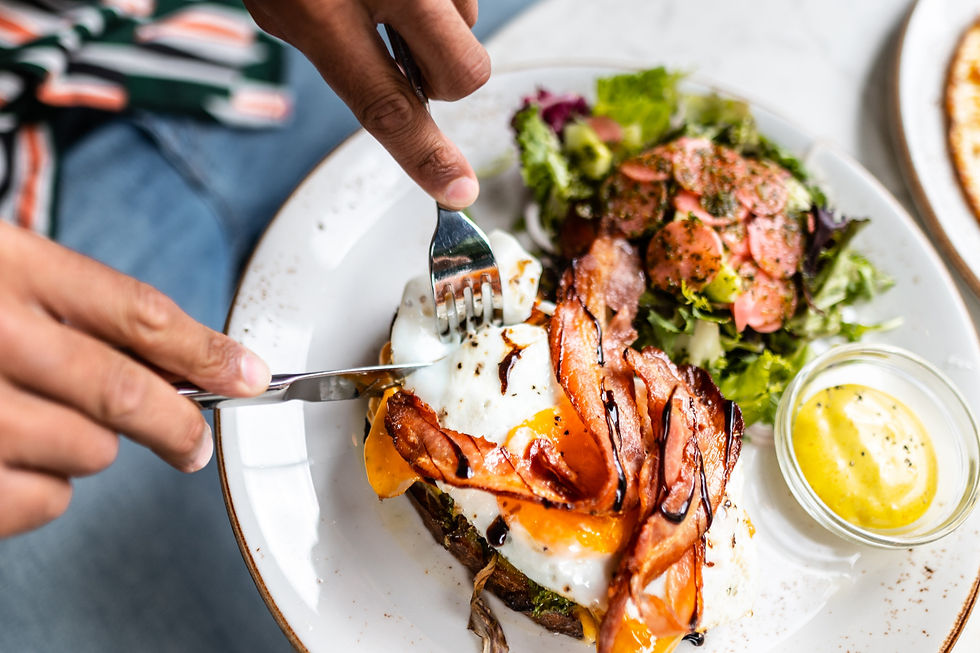
Psychological factors have a powerful influence on how we approach portion sizes and eating habits. One key element is the role of visual cues in shaping our perception of what constitutes an appropriate amount of food. When served a larger portion, many people eat more simply because it’s in front of them, without necessarily feeling hungrier or more satisfied. This phenomenon, often referred to as the portion size effect, shows how external factors can override our internal signals of hunger and fullness.
The concept of "cleaning your plate" also plays a part in overeating. Many people grow up with the idea that they should finish everything served to them, regardless of hunger levels. This mindset can make it challenging to leave food behind, especially when portions are larger than needed.
Additionally, environmental factors, such as distractions during meals, impact our ability to assess how much we’re eating. Watching TV, scrolling through a phone, or even engaging in a deep conversation while eating can make it harder to tune into our body’s hunger and fullness signals. This can lead to consuming more food without even realizing it.
Another psychological aspect is how food is marketed and presented. For example, labels that suggest something is a "single serving" can influence people to eat the entire package, even if it contains multiple servings. This can create a disconnect between actual needs and perceived norms, reinforcing distorted eating habits over time. Understanding these psychological triggers is a crucial step toward reshaping how we approach portion control.

Health Consequences of Large Portions
Large portions can lead to eating more than the body needs, which increases daily calorie intake without most people realizing it. Over time, this habit contributes to weight gain and can strain the body’s ability to maintain optimal health. Consistently consuming extra calories may disrupt metabolic processes, raising the risk of conditions like insulin resistance and type 2 diabetes. Additionally, eating beyond satiety can put stress on the digestive system, leading to discomfort or longer-term issues like acid reflux or other gastrointestinal problems.
Heart health is also impacted by overeating, as consuming excessive amounts of high-calorie, processed foods often found in larger portions can increase cholesterol levels and blood pressure. This raises the risk of developing heart disease, one of the leading causes of death in the United States. Large portions, particularly of foods high in sodium, sugar, or unhealthy fats, also contribute to inflammation and other markers of poor health.
Beyond physical health, overindulging due to oversized portions can negatively affect mental well-being. Feelings of guilt, stress, or lack of control over eating habits are common psychological effects tied to overeating. The normalization of larger portions can create a cycle where people struggle to identify what their body actually needs, further reinforcing unhealthy habits. This disconnect between food consumption and physical needs makes it harder to maintain balance and long-term health.

Strategies to Combat Portion Distortion
One effective way to address portion distortion is by practicing mindful eating. Take time to fully focus on your meals, chewing slowly and paying attention to your body's hunger and fullness signals. This approach helps you avoid eating more than necessary and fosters a better connection with your food. Another practical method is pre-portioning snacks and meals rather than eating directly from large containers or bags. This can make it easier to stick to appropriate serving sizes without relying on guesswork.
At home, you can also adjust your food environment to encourage healthier habits. Store less nutritious, calorie-dense foods out of sight and keep healthier options, like fruits and vegetables, easily accessible. Measuring tools, such as a food scale or measuring cups, can also help ensure portions align with dietary needs, particularly when preparing meals.
When shopping, pay close attention to nutrition labels, especially the serving size and the number of servings per package. These details can help clarify how much food you’re actually consuming. Additionally, avoid being swayed by marketing that promotes "family size" or "value packs," as these often lead to purchasing more food than needed. By being mindful of your surroundings and daily habits, you can effectively counter the impact of portion distortion.

Portion Awareness
Build awareness by asking questions about portion sizes. Also, tune into your body’s cues. Do you really need that whole plate of food to be satisfied? When does your hunger sensation go away? By learning about recommended portions and listening to your body, you will find the healthy balance.
Parents and caregivers also play a critical role in fostering portion awareness, as they influence how children learn to perceive serving sizes. Setting an example by serving balanced meals in appropriate amounts can create lasting habits for the next generation. These combined efforts can gradually shift attitudes toward portion sizes, encouraging a healthier approach to eating that prioritizes moderation and balance.

This article was guest-written by:
Emily Luxford, MS, RD, IFNCP, CLT
Emily Luxford is a functional dietitian nutritionist helping patients navigate gut health, diabetes, obesity, malabsorption disorders, and autoimmune diseases, along with complex illnesses such as immune dysfunction syndromes, myofascial pain, depression, vertigo, headaches, and cancer. Learn more about her and her services at www.luxfordnutrition.com.
soi cầu xổ số miền bắc hôm nay mình cũng chỉ vô xem thử vì thấy mọi người bàn tán suốt, chứ không có kiểu ngồi tính toán gì đâu. Vừa vào là thấy họ làm bài theo đúng ngày nên đỡ phải tìm, kiểu ghi rõ “Soi cầu MB ngày 16 8 2026” nhìn cái biết ngay đang nói ngày nào. Mình thích nhất là phần dự đoán được chia thành mấy khối riêng, tiêu đề to rõ ràng nên lướt nhanh vẫn bắt được ý chính, không bị chữ dính một cục. Trên điện thoại kéo xuống cũng mượt, đoạn mô tả ngắn gọn nên đọc không mệt. Nói chung giao diện kiểu gọn gàng, tập trung vào…
Mình chơi xổ số kiểu cho vui là chính, coi như thêm chút hồi hộp giải trí, trúng thì cười còn trượt cũng chẳng buồn. Trước đây nghe bạn bè bàn chuyện cầu kèo đủ thứ nên mình thử tìm hiểu, mà mới đầu thấy loạn cả lên. Dần dần mình theo dõi một thời gian, thấy có vài mẫu hay lặp lại nên bắt đầu ghi lại vài dòng mỗi lần đọc nhận định rồi đem so với kết quả, để tự kiểm tra xem có bị “ảo tưởng” không. Thỉnh thoảng mình cũng ghé soicauxsmb.io để có thêm chuyện tám với tụi bạn, nhưng luôn tự nhắc là đừng đặt niềm tin tuyệt đối. Có hôm trúng nhẹ…