What Oils Should I Eat for Better Health?
Incorporating the right oils into your meals can have a meaningful impact on your well-being. Oils are not just a source of flavor; they also provide important nutrients that support bodily functions. Healthy oils, often rich in unsaturated fats, play a key role in maintaining optimal health. They can aid in reducing inflammation, supporting heart health, and even improving skin and hair vitality.
However, not all oils are created equal, and understanding their unique properties can help you make smarter choices in your diet. Whether you're sautéing vegetables, dressing a salad, or frying an egg, selecting the appropriate oil for your needs can ensure you're getting the most out of its nutritional value.
Beyond cooking, oils can be a convenient way to add beneficial fats and essential vitamins to your daily intake. Many options are versatile and can be used in a variety of culinary applications. Exploring different types of healthy oils allows you to discover flavors that complement your meals while promoting long-term health.

Types of Healthy Oils
Olive oil stands out as a favorite for its high content of monounsaturated fats and antioxidants, which contribute to overall well-being. It's widely used in dressings, marinades, and low-heat cooking due to its distinctive flavor and nutritional properties. Avocado oil is another excellent option, known for its mild taste and ability to withstand higher cooking temperatures. It’s a rich source of monounsaturated fats and contains nutrients like vitamin E that support skin health. Coconut oil, often valued for its unique flavor, contains medium-chain triglycerides (MCTs) that may provide a quick energy source. Though it should be used in moderation, it can be a great addition to baked goods or sautéed dishes. Flaxseed oil is packed with omega-3 fatty acids, making it a smart choice for cold dishes like smoothies or salad dressings. Sesame oil, with its robust and nutty flavor, is often added to stir-fries or sauces for added depth. Each type of oil brings its own qualities to the table, offering diverse flavors and nutritional benefits to enhance your meals.

Nutritional Benefits of Healthy Oils
Healthy oils are rich in unsaturated fats, which contribute to maintaining overall wellness. Many of these oils, such as olive oil and avocado oil, are abundant in monounsaturated fats that help support a healthy cardiovascular system. Additionally, certain oils like flaxseed and fish oil contain omega-3 fatty acids, which are essential for brain health and play a role in reducing inflammation throughout the body.
Some oils also provide key vitamins, such as vitamin E, which is known for its antioxidant properties and its ability to nourish and protect skin cells. These nutrients work to support hydration and elasticity, benefiting not only your skin but also your hair. The fatty acids found in oils like sesame and coconut oil may further aid in improving the condition of hair strands by enhancing their moisture and texture.
Including a variety of healthy oils in your meals can supply your body with essential nutrients that it cannot produce on its own, helping to support vital functions and enhance overall physical vitality.

How to Use Healthy Oils in Cooking
Using healthy oils in cooking can elevate the flavor of your dishes while boosting their nutritional value. For medium-heat cooking, options like olive oil are excellent for sautéing vegetables or lightly browning ingredients, as they add both depth and nutrients. If you’re roasting, consider avocado oil for its subtle taste and ability to hold up to higher temperatures. For baking, coconut oil can serve as a great substitute for butter in recipes, providing a unique flavor profile.
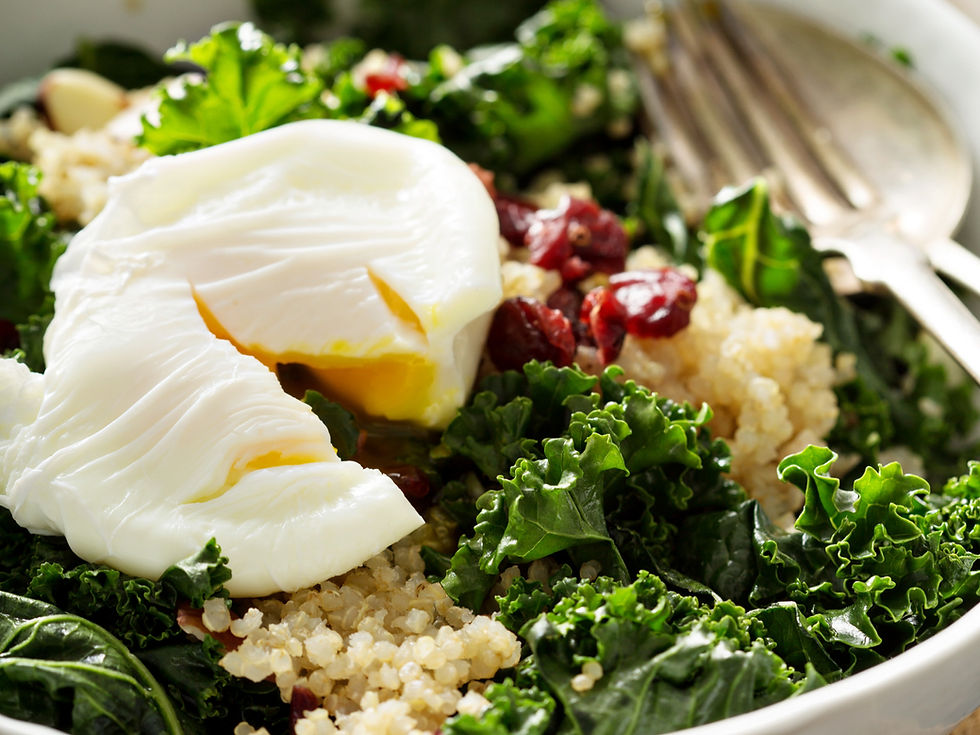
For finishing touches, drizzle walnut or sesame oil over cooked dishes to enhance the aroma and taste. You can also blend oils like flaxseed or olive oil into sauces or spreads for an extra layer of richness. Incorporating small amounts of oils into grains like quinoa or rice after cooking can improve texture and flavor without overwhelming the dish.
Experimenting with different oils in various preparations not only introduces new flavors to your meals but also helps balance the fats and nutrients you consume.
Factors to Consider When Choosing Oils
Different oils offer unique benefits and uses, so choosing the right one depends on your specific needs. Beyond cooking temperature, each oil has its own flavor profile. Some oils, like coconut oil, have a mild sweetness that can enhance baked goods, while oils like sesame or walnut oil are better suited for adding depth to cold dishes or as a finishing touch.
Another factor to think about is storage and freshness. Some oils, particularly those high in polyunsaturated fats like flaxseed oil, are prone to oxidation and should be stored in a cool, dark place to maintain their quality. Additionally, always check the label for any added ingredients or processing methods, as some oils may lose their beneficial properties during refining. By tailoring your choice of oil to the dish, its cooking requirements, and storage conditions, you can maximize both flavor and nutrition.

Common Myths About Oils
Misunderstandings about oils can lead to confusion when making dietary choices. A frequent misconception is that using oils in cooking is inherently unhealthy. In reality, many oils, especially those rich in unsaturated fats, offer essential nutrients and contribute to overall wellness when used appropriately. Another false belief is that oils labeled as "light" or "refined" are healthier options. These terms often refer to processing methods or flavor profiles rather than nutritional content. Additionally, some think that oils high in fat automatically increase cholesterol levels. However, unsaturated fats, such as those in olive and avocado oil, can actually support heart health. There's also a perception that oils are unnecessary if a diet includes other fats like nuts or seeds. While these are excellent sources of healthy fats, incorporating a variety of oils can enhance both the flavor and nutrient profile of meals. Understanding these myths helps make better-informed decisions about what oils to include in your diet.

This article was guest-written by:
Emily Luxford, MS, RD, IFNCP, CLT
Emily Luxford is a functional dietitian nutritionist helping patients navigate gut health, diabetes, obesity, malabsorption disorders, and autoimmune diseases, along with complex illnesses such as immune dysfunction syndromes, myofascial pain, depression, vertigo, headaches, and cancer. Learn more about her and her services at www.luxfordnutrition.com.
Comments